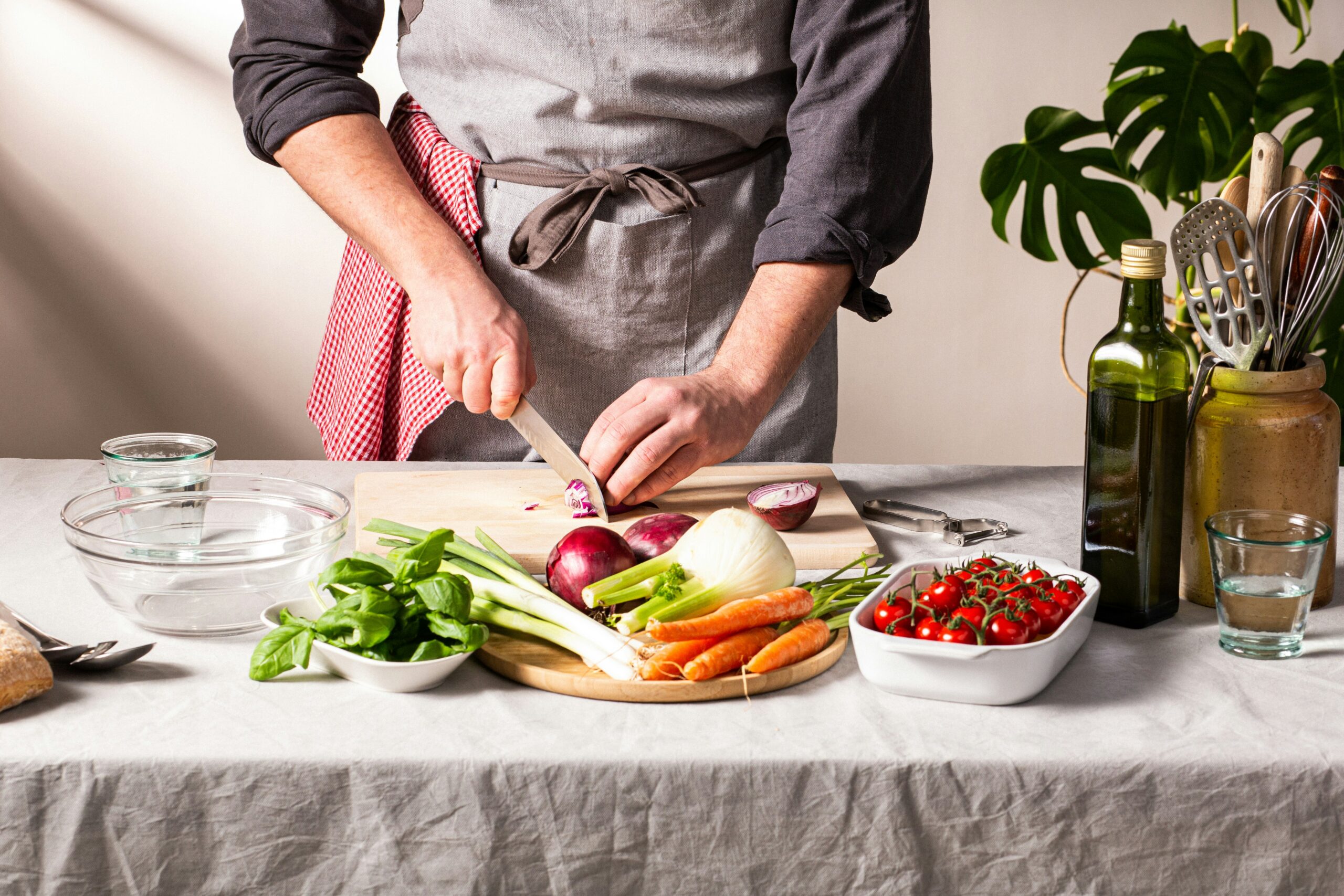
Cooking at home can be both comforting and exciting, yet many people believe that restaurant-quality dishes are beyond their reach. The truth is, with the proper cooking methods and a little patience, you can create meals that taste as if they came straight from a professional kitchen. Great chefs rely on simple cooking methods that highlight natural flavors, balance textures, and build depth in every bite. By mastering a few essential cooking methods, you can transform everyday ingredients into exceptional meals that impress family and friends.
Building Flavor Through Roasting
If searing creates bold surface flavors, roasting brings out sweetness and depth. Among all cooking methods, roasting stands out for its simplicity and transformative power. It uses dry heat in the oven to caramelize natural sugars in vegetables, meats, and even fruits. This method enhances both flavor and texture, producing crispy exteriors and tender interiors. The beauty of roasting is that it lets the oven do most of the work while you prepare other dishes.
To get the best results, start with fresh, evenly cut ingredients. Toss them lightly in oil and season generously with salt, pepper, and your favorite herbs or spices. Preheat the oven to ensure consistent cooking and avoid steaming, which can happen if the stove isn’t hot enough. As the food roasts, aromas fill your kitchen, and the flavors intensify. Vegetables like carrots, potatoes, and Brussels sprouts develop a sweet, nutty taste, while proteins like chicken and beef gain a crisp, flavorful crust. Even fruits like pears or apples can be roasted for desserts or savory dishes, offering a delicate balance of caramelized sweetness and tender texture. Roasting proves that some cooking methods require minimal effort yet deliver extraordinary results.
Enhancing Taste with Deglazing and Pan Sauces
One of the secrets behind restaurant-quality dishes is deglazing to capture every bit of flavor left in the pan. After searing or sautéing, you often see browned bits stuck to the bottom—these are called “fond,” and they are pure gold in flavor. Instead of washing them away, you can build a delicious sauce around them. Pour a splash of wine, broth, or even vinegar into the hot pan, scraping gently with a wooden spoon to release the fond. As the liquid reduces, it absorbs those rich flavors and forms the base for your sauce. Few cooking methods can transform leftover bits into something so flavorful and elegant.
Once the fond dissolves, you can enrich the sauce by adding butter, cream, or herbs for extra depth. Deglazing works wonders with meats, but you can also use it with vegetables or seafood. For example, after cooking mushrooms, deglaze with white wine and finish with a touch of butter and thyme for a restaurant-worthy side. This cooking method might sound sophisticated, but it’s surprisingly simple and adds instant elegance to your meal. The best part is how effortlessly it turns an ordinary dinner into something special.
Perfecting Slow Cooking for Rich, Tender Meals
While searing and roasting emphasize bold flavors and crisp textures, slow cooking focuses on tenderness and depth. This gentle approach is one of the most comforting cooking methods, allowing flavors to meld over time and creating irresistibly rich dishes. Slow cooking works beautifully with tougher cuts of meat, hearty vegetables, and soups or stews. The long, low heat breaks down connective tissue in meat, resulting in juicy, fall-apart tenderness that’s full of flavor.
To perfect this technique, you can use a slow cooker, a Dutch oven, or even a covered pot in the oven. Start by searing your ingredients to develop color and flavor, then add liquid like broth, wine, or tomato sauce along with herbs and spices. Let the dish simmer gently for several hours. As it cooks, the flavors deepen, and your kitchen fills with a warm, comforting aroma. This cooking method also gives you the freedom to step away and focus on other tasks while the magic happens. From tender beef short ribs to creamy vegetable curries, slow cooking is the secret behind many restaurant favorites that seem impossible to replicate at home—but truly aren’t.
Balancing Flavors with Seasoning and Finishing Touches
The difference between a good dish and a great one often lies in the finishing touches. Professional chefs understand how to balance flavors through seasoning and texture. Salt enhances natural flavors, while acids, such as lemon juice or vinegar, brighten and balance richness. Fresh herbs, grated cheese, or a drizzle of olive oil can elevate a dish from simple to spectacular. No matter which cooking methods you use, seasoning brings them to life.
For instance, a sprinkle of sea salt on roasted vegetables or a squeeze of lemon over grilled fish adds complexity and freshness. Freshly cracked pepper can give a subtle heat that ties flavors together. Texture also matters; adding toasted nuts, crispy breadcrumbs, or a dollop of creamy sauce provides contrast that keeps each bite interesting. Moreover, presentation enhances the experience. Wiping the plate’s edge, adding a garnish, or arranging the food thoughtfully make your home-cooked meal look like it came from a fine-dining kitchen. These finishing steps combine beautifully with all your cooking methods, turning simple meals into memorable experiences.
Bringing It All Together
Cooking like a professional chef doesn’t mean spending hours in the kitchen or buying expensive tools. It’s about understanding how to use simple cooking methods to highlight the natural beauty of your ingredients. Searing, roasting, deglazing, slow cooking, and seasoning all work together to create restaurant-quality meals in your own home. Each cooking method adds layers of flavor, texture, and aroma, transforming everyday cooking into something truly special.
The key is confidence and curiosity. As you practice these cooking methods, you’ll start to trust your instincts and experiment with new combinations. You’ll find that the more you cook, the more your senses guide you—hearing the perfect sizzle, smelling the caramelization, and tasting the balance of flavors. Soon, cooking won’t just be a chore; it will become an enjoyable and rewarding part of your day. By applying these simple cooking methods, you’ll bring the sophistication and flavor of restaurant dining into your own kitchen, one delicious meal at a time.