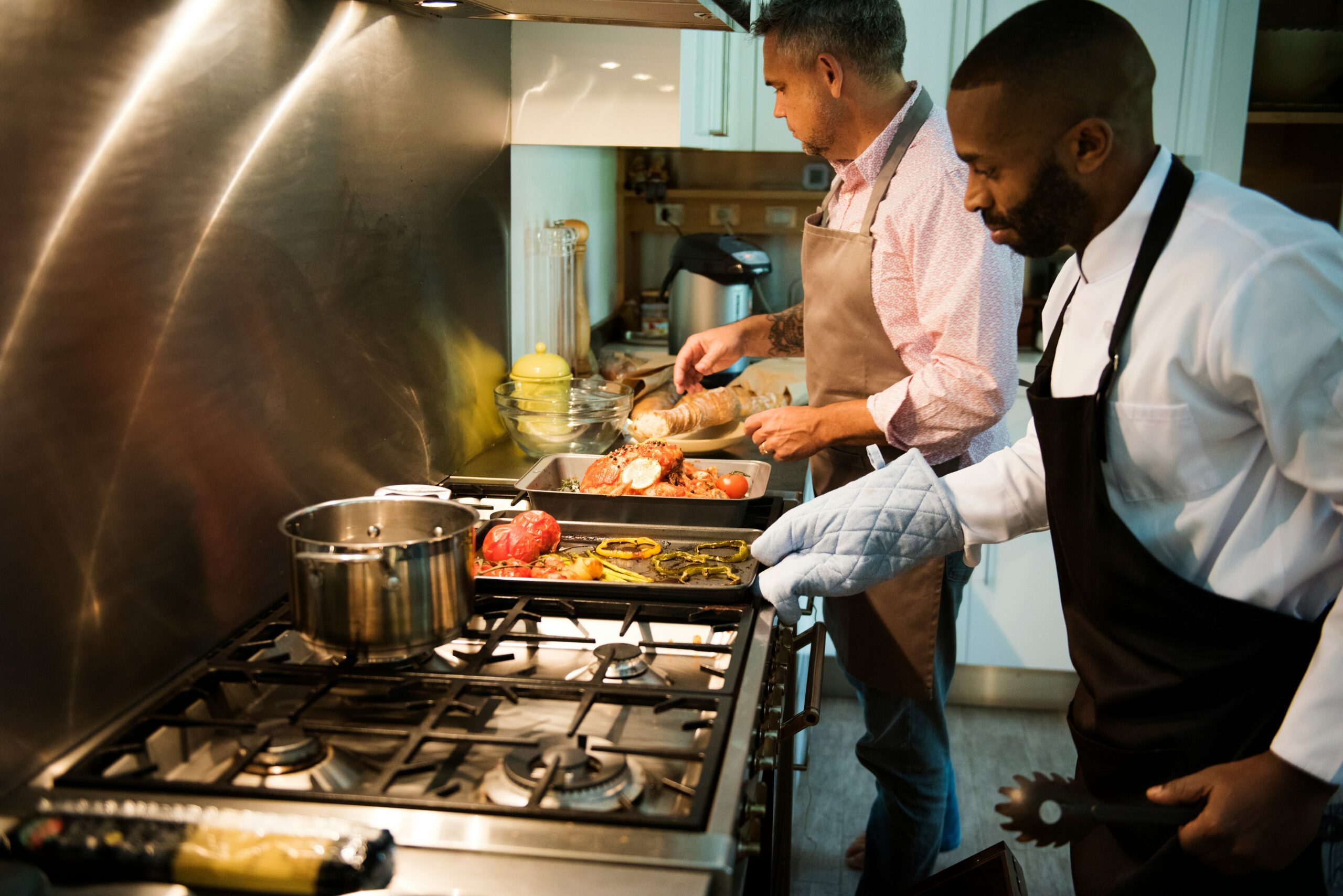
Cooking restaurant-quality meals at home can feel challenging at first, but it becomes much easier once you understand a few simple methods. Many home cooks think professional chefs rely on complicated techniques. However, they often use basic cooking principles with careful timing and attention to detail. Because of this, you can recreate similar flavors in your own kitchen without advanced training.
Moreover, you can improve everyday meals by focusing on heat control, seasoning, and cooking method. When you combine these elements, your food develops deeper flavor and better texture. As a result, even simple ingredients can taste rich and satisfying. With the right approach, you can turn regular dinners into something memorable.
The Power of High-Heat Searing
Searing is one of the most effective ways to build flavor quickly. When you cook meat or vegetables over high heat, you create a browned crust that adds depth and richness. This process, known as the Maillard reaction, develops complex flavors that you often taste in restaurant dishes. Because of this, chefs rely on searing as a foundation for many recipes.
In addition, searing locks in moisture when done correctly. You should always preheat your pan before adding food, since this helps achieve even browning. Once the surface hits the right temperature, ingredients cook quickly and develop a flavorful exterior. As a result, your dish gains both texture and a professional taste.
Roasting for Deep, Rich Flavor
Roasting brings out natural sweetness and complexity in food. When you cook ingredients in the oven at high or moderate heat, their flavors concentrate. Vegetables caramelize, and meats become tender while developing a rich outer layer. Because of this, roasting works well for creating bold, satisfying meals.
Furthermore, roasting requires very little effort once the ingredients are prepared. You season your food, place it in the oven, and let the heat do the work. Meanwhile, the dry heat slowly enhances flavor without constant attention. As a result, you get consistent, delicious results with minimal stress.
Building Flavor Through Deglazing and Pan Sauces
Deglazing is a simple technique that turns the bits left in your pan into flavorful sauces. After searing meat or vegetables, small browned pieces stick to the bottom of the pan. Instead of discarding them, you can add liquid, such as broth or wine, to enhance those flavors. Because of this, you create a sauce that tastes rich and layered.
In addition, pan sauces come together quickly and elevate any meal. Once you deglaze the pan, you can add herbs, butter, or aromatics to further enhance the flavor. As the sauce reduces, it thickens and absorbs the caramelized bits. Therefore, a simple step turns basic cooking into something that feels gourmet.
Slow Cooking for Tender, Bold Dishes
Slow cooking allows flavors to develop over time while keeping ingredients tender. When you cook at low temperatures for long periods, tough cuts of meat break down and become soft. At the same time, spices and seasonings blend deeply into the dish. Because of this, slow cooking produces meals with rich and comforting flavors.
Moreover, this method requires very little hands-on effort. You can prepare ingredients early in the day and let the slow cooker or low oven handle the rest. Meanwhile, the long cooking time allows flavors to build gradually. As a result, you enjoy a meal that tastes like it took far more effort than it actually did.
Simple Seasoning Techniques That Elevate Meals
Seasoning plays a major role in creating restaurant-quality food—many home cooks under-season their dishes, resulting in flat or bland results. However, when you use salt, herbs, and spices correctly, you enhance natural flavors. Because of this, even simple ingredients can taste more vibrant and balanced.
In addition, layering seasoning throughout the cooking process improves depth. Instead of adding all the seasoning at once, you can adjust flavors step by step. For example, seasoning early helps build a base, while finishing seasoning adds brightness. As a result, your food develops complexity that feels intentional and refined.
Finishing Touches That Make Food Taste Professional
Small finishing touches often separate home cooking from restaurant-quality meals. A squeeze of citrus, a drizzle of olive oil, or a sprinkle of fresh herbs can transform a dish. These final additions brighten flavors and add contrast. Because of this, they create a polished and balanced taste.
Furthermore, texture plays an important role in finishing dishes. Adding something crunchy or creamy can improve the overall experience of a meal. Meanwhile, temperature contrast can also enhance flavor perception. As a result, these final details make your food feel complete and thoughtfully prepared.
Bringing It All Together in Everyday Cooking
When you combine these simple cooking methods, your home meals improve significantly. Searing builds flavor quickly, roasting deepens natural taste, and slow cooking enhances tenderness. Meanwhile, deglazing and seasoning techniques add layers of complexity. Because of this, you can create dishes that feel restaurant-quality without complicated steps.
Moreover, consistency matters more than perfection. When you practice these methods regularly, you become more confident in the kitchen. Over time, you start recognizing how heat, seasoning, and timing affect flavor. As a result, cooking becomes more intuitive and enjoyable, and your meals steadily improve.
Final Thoughts on Cooking Like a Chef at Home
Restaurant-quality cooking does not require professional equipment or advanced training. Instead, it relies on understanding a few simple methods and applying them with care. When you focus on technique, you naturally improve flavor and texture. As a result, your home cooking becomes more satisfying and reliable.
In addition, small improvements make a big difference over time. As you experiment with searing, roasting, and seasoning, you develop stronger cooking skills. Therefore, every meal becomes an opportunity to refine your approach. Ultimately, these simple cooking methods help you bring bold, restaurant-style flavors into your everyday kitchen.